Workshop Font: The Handwritten Charm for Modern Design
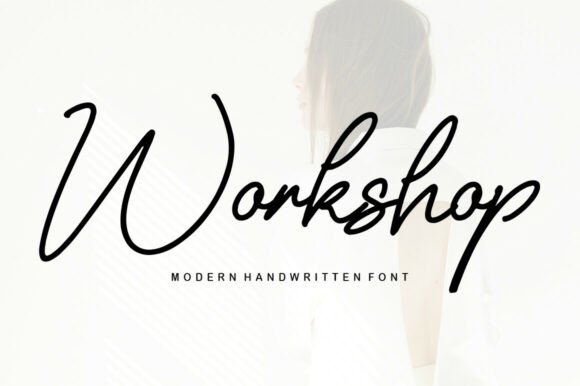
Imagine a typeface that feels like a warm, personal note from a friend—inviting, authentic, and full of character. That's the immediate impression made by the Workshop font, a sweet and friendly handwritten typeface that injects a genuine, human touch into any visual project.
Understanding Workshop's Visual Appeal
Fresh, neat, and inherently approachable, Workshop is more than just a script font. It represents a key design trend: the move towards authenticity and organic aesthetics in digital and print media. In an era saturated with sterile, geometric sans-serifs, a well-crafted handwritten font like Workshop creates instant emotional resonance. Its fluid yet legible letterforms bridge the gap between casual expression and professional presentation, making it a versatile creative asset for designers, marketers, and business owners.
The Role in Modern Branding and Identity
A strong brand identity relies on a cohesive visual language, and typography is its voice. Workshop excels in scenarios where a brand seeks to convey warmth, creativity, and approachability. Consider its application in:
- Logo Design and Wordmarks: It can craft a unique, memorable logo for artisanal businesses, bakeries, boutiques, or creative studios.
- Marketing Collateral: From business cards to flyers, it adds a personal flair that stands out in a stack of standard corporate materials.
- Packaging Design: Ideal for product labels, gift tags, and packaging that aims to tell a story and connect on a personal level.
- Social Media Graphics: Its friendly demeanor is perfect for Instagram stories, quote graphics, and announcements that aim to boost engagement.
Practical Applications Across Creative Projects
The utility of a font like Workshop extends far beyond traditional print. Its character enhances numerous digital and physical design contexts, contributing to a polished and engaging user experience (UX) and visual hierarchy.
In editorial design, it can be used for pull quotes or chapter headings to break up dense text and add visual interest. For web design and UI design, it can highlight key calls-to-action or hero section slogans, guiding the user's eye. Furthermore, it's an excellent choice for creating digital products such as e-books, worksheets, and online course materials, where a personal, instructive tone is beneficial. Its charm also translates seamlessly to merchandise like mugs, t-shirts, and tote bags.
Tips for Effective Implementation
While Workshop is a powerful tool, thoughtful application is crucial for maintaining professionalism and readability. Here are key considerations for your design workflow:
- Prioritize Readability: Use it for headlines, short phrases, or accents rather than long paragraphs of body copy. Ensure sufficient contrast against the background.
- Establish Visual Hierarchy: Pair it with a clean, neutral sans-serif or serif font for body text. This creates a balanced and sophisticated typographic system.
- Consider Your Audience: While universally friendly, ensure its casual tone aligns with your brand's industry and the expectations of your target audience.
- Test Scalability: Check how the font renders at various sizes, from a small favicon to a large billboard, to ensure consistency and clarity.
Ultimately, the most effective designs are those that communicate clearly and evoke the right emotion. Workshop provides a direct pathway to achieving a friendly, inviting aesthetic that strengthens brand perception and makes communications feel more personal. By integrating such thoughtfully chosen creative assets into your projects, you elevate not just the visual appeal, but the very quality of connection with your audience.