Baby Deer: A Playful Font for Authentic Design
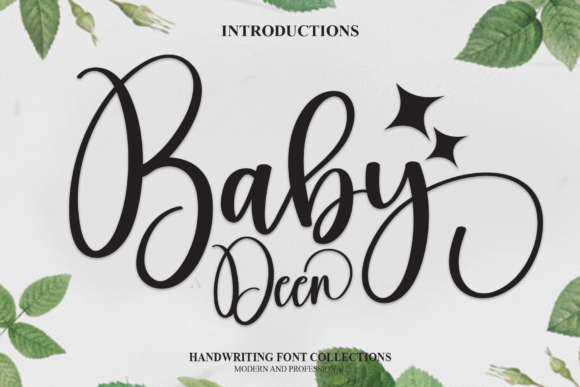
In the crowded landscape of digital typography, finding a font that balances personality with professionalism is a rare discovery. Baby Deer is a cheerful and beautifully-rounded handwritten font that immediately injects warmth and approachability into any visual composition. It is the perfect match for wall displays, wedding invitations, social media post logos, advertisements, product packaging, product designs, labels, photography, watermarks, invitations, stationery, and any project that requires playful and authentic typography!
The Role of Personality in Modern Typography
Effective graphic design is fundamentally about communication, and typography is its voice. While clean sans-serifs and elegant serifs have their place, the modern aesthetic often craves a human touch. A font like Baby Deer serves as a critical tool in a designer's arsenal to evoke specific emotions—joy, friendliness, and authenticity. In an era where digital marketing and social media graphics compete for fleeting attention, a typeface with distinct character can significantly improve user engagement and brand recall. It transforms static text into a visual story, strengthening brand identity by making it feel more personal and relatable.
Practical Applications for Creative Professionals
The versatility of a well-crafted handwritten font extends across numerous creative projects. Understanding its practical applications is key to integrating it effectively into your design workflow.
- Branding and Logo Design: For brands targeting a young, family-oriented, or artisanal market, Baby Deer can form the cornerstone of a logo, setting a friendly and trustworthy tone from the first glance.
- Packaging Design: On product labels for organic foods, children's products, or boutique goods, this font style communicates care and craftsmanship, directly influencing consumer perception at the point of sale.
- Digital Marketing & Social Media: In social media graphics, Instagram stories, or email headers, it breaks the monotony of standard fonts, grabbing attention and fostering a sense of community and engagement.
- Editorial and Web Design: Used sparingly for pull quotes, subheadings, or call-to-action buttons, it can guide the user's eye and add a layer of visual interest without compromising overall readability in UI design.
Integrating Fonts into a Cohesive Visual System
Simply selecting a charming font is not enough; strategic implementation is what separates amateur work from professional presentation. When incorporating a typeface like Baby Deer, consider its relationship with other design elements.
- Establish Visual Hierarchy: Pair it with a simple, neutral font for body text. This contrast ensures the playful font highlights key information—like a headline or a special offer—while maintaining clarity for longer passages.
- Test for Readability and Scalability: Always evaluate how the font performs at various sizes. A beautiful script on a wedding invitation may become illegible when scaled down for a mobile UI design or a small product label.
- Align with Audience Expectations: The font's cheerful character must resonate with your target demographic. It is ideal for children's education platforms, lifestyle blogs, or community-focused brands but may not suit corporate finance or legal communications.
- Consider the Color Palette: Typography does not exist in a vacuum. The soft, rounded edges of Baby Deer often pair well with pastel color palettes or warm, earthy tones, reinforcing its organic and gentle feel.
Ultimately, the strength of any creative asset lies in its ability to serve a specific communicative goal. Thoughtful design choices, from the selection of a primary typeface to its integration within a broader visual system, are what create a seamless and impactful user experience. By leveraging assets that carry inherent personality and quality, designers and creators can elevate their work, ensuring it is not only seen but genuinely felt by their audience.