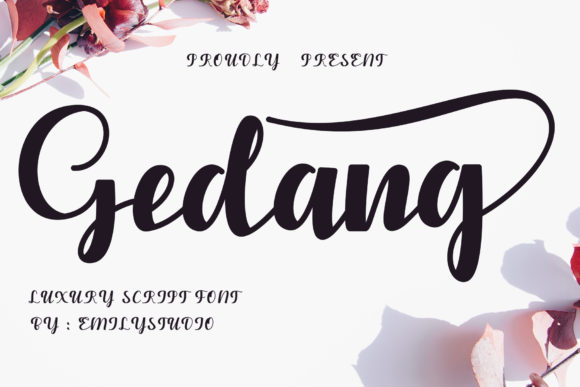
Gedang: The Bold Handwritten Font for Modern Designers
Every designer knows the power of a typeface that immediately captures attention and conveys emotion. In the crowded landscape of creative assets, finding a font that blends personality with professionalism can elevate a project from ordinary to unforgettable. Enter Gedang, a bold and elegant script font crafted for those who appreciate the artistry of handwritten letterforms. Its fluid strokes and dynamic presence make it a standout choice for projects demanding both style and impact.
As a versatile creative asset, Gedang excels where visual communication needs to feel personal, luxurious, or artisanal. Its design is more than just letters; it's a tool for crafting narratives. The font's inherent character supports strong visual hierarchy, guiding the viewer's eye and emphasizing key messages with flair. Whether you're building a brand identity from scratch or refreshing existing marketing materials, incorporating a typeface like Gedang can infuse your work with a distinct human touch that resonates deeply.
Practical Applications Across Design Disciplines
The true value of any design asset lies in its adaptability. Gedang's incredibly versatile style opens doors to a multitude of creative projects, seamlessly integrating into various facets of the design workflow.
Branding and Visual Identity
For logo design and brand identity systems, Gedang offers a memorable and expressive wordmark. It’s perfect for businesses in the beauty, fashion, food, or lifestyle sectors that aim to project elegance, warmth, or artisanal quality. Pair it with a clean, minimalist sans-serif for body copy to create a balanced and professional presentation.
Marketing and Social Media Graphics
On digital platforms, scroll-stopping power is paramount. Gedang shines in social media graphics, website headers, and digital advertising campaigns. Its boldness ensures readability at smaller sizes, while its elegant swashes add sophistication to promotional banners, sale announcements, and quote cards, enhancing user engagement and click-through rates.
Packaging and Print Design
In the physical world, typography communicates quality at a glance. Gedang is an excellent choice for packaging design on products like cosmetics, gourmet foods, or boutique merchandise. It also brings a celebratory, personal feel to invitations, greeting cards, and editorial layouts in magazines or lookbooks.
Integrating Gedang Into Your Design Workflow
Maximizing the potential of a specialized font requires thoughtful application. Here are key considerations for using Gedang effectively:
- Establish Clear Hierarchy: Use Gedang for headlines, subheads, or focal phrases. Avoid setting long paragraphs in script fonts to maintain readability. Its role is to attract and highlight.
- Consider Your Audience: Ensure the font's aesthetic aligns with your target user's expectations. Its elegant, bold script communicates confidence and creativity, suitable for audiences valuing design-forward thinking.
- Test for Scalability: Always preview your design at various sizes, from a small mobile screen to a large print banner, to ensure legibility and visual impact are maintained.
- Leverage PUA Encoding: A significant feature of Gedang is its PUA encoding. This means you can access all alternate glyphs, swashes, and ligatures directly through your design software's character panel, unlocking endless possibilities for customization and unique typographic compositions.
Pairing Gedang with complementary elements is crucial. A thoughtful color palette can enhance its mood—soft pastels for romance, rich jewel tones for luxury, or monochrome for modern edge. Ensure surrounding imagery and layout composition support, rather than compete with, the font's expressive nature.
In the realm of modern graphic design, the assets you choose are fundamental to your project's success and efficiency. A high-quality, versatile font like Gedang is not just a decorative element; it's a strategic component that strengthens visual storytelling, streamlines the creative process, and delivers a polished, cohesive result. By selecting tools that align with your design goals and understanding how to wield them, you transform your creative vision into compelling, effective visual communication that truly connects.