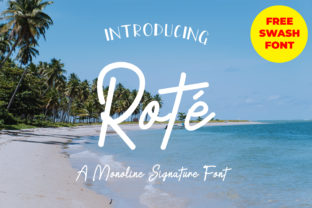
Rote: The Authentic Handwritten Font for Modern Design
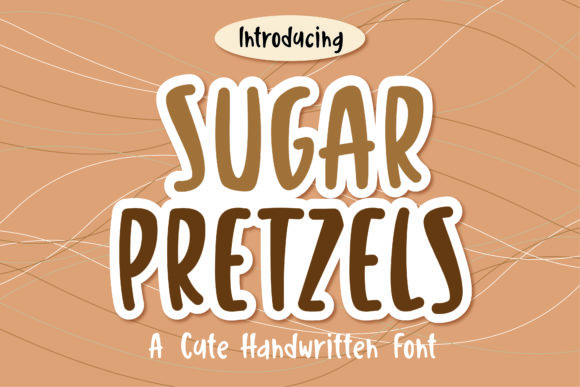
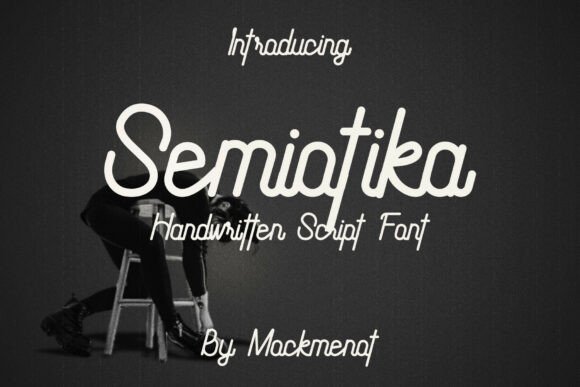
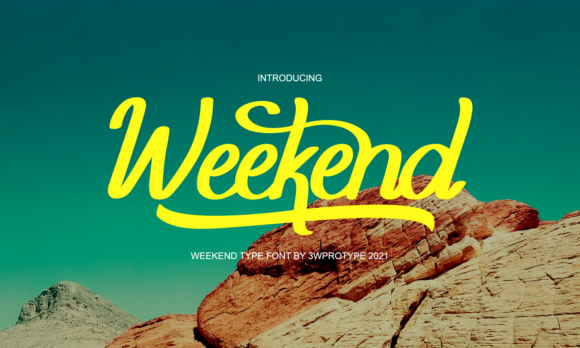
In a digital landscape saturated with polished, impersonal typefaces, a font that captures genuine human touch can be a game-changer. Rote is a casual, yet striking handwritten font with an authentic feel, offering designers a powerful tool to inject personality and warmth into their work. Its organic strokes and imperfect charm create an immediate emotional connection, making it far more than just a letterform—it's a statement of authenticity in your design projects.
The Role of Authentic Typography in Visual Communication
Effective graphic design hinges on clear communication and emotional resonance. While clean sans-serifs and classic serifs have their place, they can sometimes lack the human element that builds trust and relatability. This is where a font like Rote excels. Its handwritten style mimics natural penmanship, which subconsciously signals approachability, creativity, and a personal touch. In branding and logo design, this can differentiate a company by making it feel less corporate and more human-centered. For marketers and creators, it’s a shortcut to establishing a friendly, authentic voice in visual content.
Practical Applications for Rote in Creative Projects
The versatility of a well-designed handwritten font allows it to enhance a wide array of creative outputs. Consider integrating Rote into your design workflow for:
- Brand Identity & Logo Design: Use it for brand names, taglines, or secondary logos to convey a boutique, artisan, or personal brand ethos. It pairs beautifully with minimalist layouts to create striking visual hierarchy.
- Social Media Graphics: Handwritten fonts are incredibly effective on platforms like Instagram and Pinterest for quotes, announcements, and storytelling posts, boosting engagement through relatable visuals.
- Packaging & Print Design: On product labels, greeting cards, or boutique packaging, Rote adds a crafted, premium feel that can elevate the perceived value of the product.
- Website & UI Design: Use it sparingly for hero section headlines, call-to-action buttons, or accent text to break the monotony of standard web typography and guide user focus.
- Editorial & Presentation Design: In magazines, blogs, or slide decks, it can highlight key quotes, section titles, or personal notes, making content more engaging and memorable.
Integrating Rote into a Cohesive Design System
While a striking font is a valuable asset, its effectiveness depends on thoughtful integration. When using Rote or any expressive typeface, adhere to core design principles to maintain professionalism and clarity.
Prioritize Readability & Hierarchy: Handwritten fonts are best used for headlines, short phrases, or accent text—not for long body copy. Ensure sufficient contrast against the background and pair it with a simple, highly legible font for paragraphs to maintain a clear visual hierarchy.
Maintain Brand Consistency: If incorporating Rote into a brand system, define its specific use cases. Is it only for digital? Only for print? Establish guidelines to ensure it complements your existing color palette, imagery style, and overall brand voice without causing visual dissonance.
Consider Scalability & Compatibility: Test how the font renders at various sizes, from a small favicon to a large billboard. Verify its licensing for your intended use (e.g., digital marketing, merchandise, web design) and ensure it includes all necessary characters and glyphs for your audience.
Choosing the right creative assets is a critical step in a designer's process. A font like Rote provides more than aesthetic appeal; it offers a strategic tool for shaping perception, enhancing user experience, and telling a more compelling brand story. By applying typography with intention—balancing expression with function—you can create designs that are not only visually stunning but also deeply effective in achieving your communication goals.