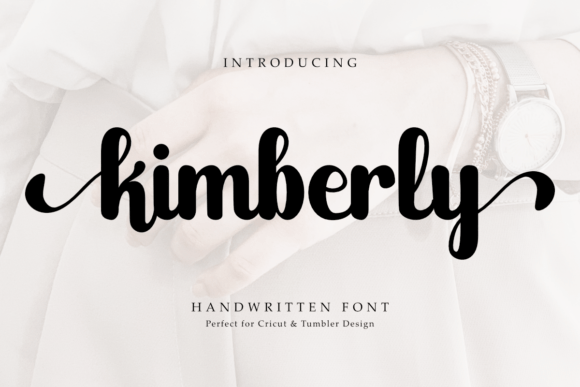
Kimberly Font: Sweet & Bold Handwritten Style
Imagine a typeface that instantly conveys warmth and personality while maintaining a confident, modern edge. The Kimberly font achieves exactly this balance, offering a sweet and bold handwritten style that has become a favorite among graphic designers and creators. Its flowing, organic letterforms inject a human touch into digital and print projects, making it a versatile asset for anyone looking to enhance their visual communication with authentic charm.
Understanding the Visual Impact of Handwritten Typography
In the realm of graphic design, typography is a foundational element of visual hierarchy and brand identity. A handwritten font like Kimberly serves a specific purpose: it bridges the gap between professional polish and approachable friendliness. Unlike rigid, geometric sans-serifs, its slightly irregular strokes and connected characters mimic natural handwriting, which psychologically signals creativity, sincerity, and personal attention. This makes it particularly effective for designs aiming to build an emotional connection with the audience.
Key Characteristics That Define Its Appeal
- Legibility with Style: While decorative, Kimberly maintains clear letterforms, ensuring readability across various sizes—a critical factor in UX design and UI design.
- Bold Weight: Its thicker strokes provide excellent visibility and presence, preventing it from getting lost in complex layouts or against varied backgrounds.
- Flowing Connectivity: The subtle connections between letters create a smooth, rhythmic cadence that guides the viewer's eye naturally across the text.
Practical Applications in Modern Creative Projects
The true value of a design asset lies in its versatility. Kimberly excels across a wide spectrum of applications, seamlessly integrating into diverse design workflows. For branding and logo design, it can establish a brand voice that is both professional and personable, ideal for boutique businesses, lifestyle brands, or creative agencies. In marketing materials and social media graphics, it captures attention quickly and communicates messages with a relatable, human tone that boosts engagement.
Consider its use in these specific contexts:
- Packaging Design: Adds a handcrafted, artisanal quality to product labels, especially for cosmetics, gourmet foods, or wellness items.
- Editorial Layouts: Perfect for pull quotes, subheadings, or featured text in magazines and blogs, adding a dynamic contrast to body copy.
- Merchandise & DIY Crafts: As noted, it is exceptionally suited for physical items like tumblers, mugs, and stickers, where its boldness ensures clarity during printing or cutting processes like with a Cricut machine.
- Digital Products & Presentations: Enhances the visual appeal of e-books, worksheets, or slide decks, making content more engaging and memorable.
Tips for Effective Implementation and Pairing
Successfully incorporating a expressive font like Kimberly requires thoughtful consideration of visual design principles. To maintain a professional presentation and avoid visual clutter, adhere to these guidelines:
- Establish Clear Hierarchy: Use Kimberly for headlines, short phrases, or call-to-action text. Pair it with a clean, neutral sans-serif or serif font for body copy to ensure maximum readability and create a pleasing contrast.
- Mind the Spacing: Handwritten fonts often benefit from slightly increased tracking (letter-spacing) and leading (line spacing) to enhance legibility, especially in longer sentences.
- Test Across Mediums: Always preview your design on both screen and in print (if applicable). Check how the font renders at small sizes and ensure its character holds up in both digital and physical formats.
- Align with Brand Values: Ensure the font's personality—sweet, bold, and friendly—aligns with your brand identity and the message you intend to convey to your target audience.
Ultimately, the choice of typography is a powerful design trend that influences perception and usability. Integrating a high-quality, purpose-driven asset like the Kimberly font into your creative projects is not merely about aesthetic preference; it's a strategic decision that enhances communication, strengthens brand consistency, and adds tangible value to your work. By selecting fonts that embody both style and function, designers and creators can craft experiences that resonate deeply and leave a lasting impression.