Homestand: Elevate Your Designs with Modern Handwritten Charm
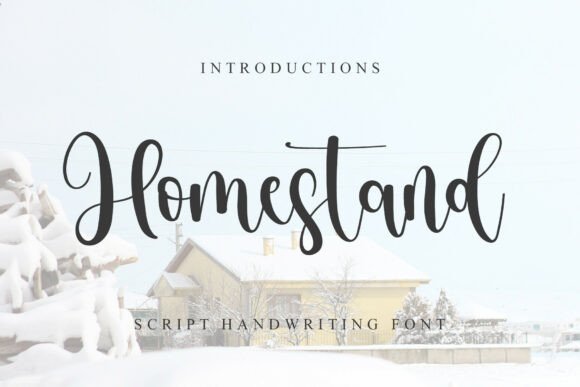
Every designer knows the struggle of finding a typeface that feels both personal and professional. Homestand, a stylish and modern handwritten font, bridges that gap beautifully, offering a unique blend of casual warmth and contemporary polish that can instantly elevate your creative projects.
The Role of Expressive Typography in Visual Design
In today's saturated digital landscape, standing out requires more than just clean layouts and sharp imagery. Typography plays a crucial role in establishing tone, personality, and emotional connection. While sans-serifs and serifs provide structure, a well-crafted handwritten font like Homestand introduces a human element that resonates on a personal level. It’s not about mimicking messy scrawl; it’s about controlled, intentional elegance that feels authentic.
Homestand’s design is particularly noteworthy for its versatility. It’s PUA encoded, meaning all its glyphs and ligatures are easily accessible, allowing for seamless integration into any design workflow. This feature is invaluable for designers who need to maintain efficiency without sacrificing creative flair.
Practical Applications Across Creative Projects
The true test of any creative asset is its adaptability. Homestand excels across a wide spectrum of applications, making it a worthwhile addition to any designer’s toolkit.
- Branding and Logo Design: For brands aiming to convey approachability, creativity, or artisanal quality, Homestand can serve as a primary logo font or a complementary element. It works exceptionally well for lifestyle brands, cafes, boutiques, and creative studios where a personal touch is part of the brand identity.
- Marketing and Social Media: In digital marketing, grabbing attention is paramount. Using Homestand in headlines, call-to-action buttons, or key quotes on social media graphics can stop the scroll. Its friendly aesthetic is perfect for Instagram stories, Facebook ads, and Pinterest pins, helping to boost engagement and shareability.
- Editorial and Web Design: When used sparingly, handwritten fonts can break the monotony of body text in editorial layouts or on websites. Consider Homestand for pull quotes, article titles, or section headers to guide the reader’s eye and add visual interest without compromising readability.
- Packaging and Merchandise: On physical products, typography tells a story. Homestand can enhance packaging design for cosmetics, gourmet foods, or stationery, suggesting handcrafted care. It’s also ideal for merchandise like mugs, tote bags, and apparel, where a casual, stylish message adds value.
Integrating Homestand into Your Design Workflow
Simply choosing an attractive font isn’t enough; successful implementation requires strategic thinking. Here are key considerations for using Homestand effectively:
- Context is Key: Always consider your audience and the project’s goals. While Homestand is versatile, it may not suit highly technical or formal corporate contexts. It shines in projects that benefit from a personal, creative, or joyful tone.
- Pairing with Other Fonts: To maintain visual hierarchy and readability, pair Homestand with a neutral, clean typeface. A classic sans-serif or a simple serif font can provide a solid foundation, allowing Homestand’s unique character to stand out in headings or accents without overwhelming the design.
- Color and Composition: Let the font breathe. Use it against clean backgrounds and within balanced compositions. Consider how its strokes interact with your color palette—softer, warmer colors often complement handwritten styles, while high-contrast palettes can make it pop dramatically.
- Scalability and Readability: Test the font at various sizes. Ensure legibility is maintained for its intended use, whether it’s a large headline or a small caption on a website’s UI design.
Thoughtful design is about making intentional choices that align with a project’s narrative. Quality creative assets like Homestand are more than just decorative elements; they are tools for communication. By selecting typography that enhances your message and resonates with your audience, you transform a simple design into a memorable experience, strengthening brand recall and fostering deeper engagement across all touchpoints.