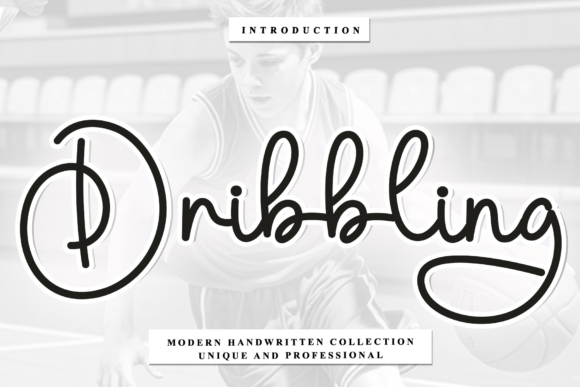
Dribbling: The Handwritten Font for Authentic Branding
Why Handwritten Typography Matters in Modern Design
Visual design thrives on contrast and personality. While structured fonts excel in clarity and hierarchy, a font like Dribbling introduces essential organic texture. It breaks the visual monotony, adding a layer of authenticity and approachability that resonates deeply with audiences. This isn't about mimicking handwriting; it's about harnessing the imperfect, flowing energy of hand-lettering to convey creativity, care, and a distinct brand voice. In effective visual communication, this tactile quality can be the differentiator that makes a brand memorable.
Practical Applications for Creative Impact
The versatility of a well-crafted script font allows it to enhance a wide array of creative projects. Its strength lies in strategic application where personality should shine without sacrificing readability. Consider integrating Dribbling into your design workflow for:
- Brand Identity & Logo Design: Use it for a brand's wordmark or tagline to instantly signal creativity, craftsmanship, or a boutique aesthetic. It pairs exceptionally well with a clean sans-serif for a balanced, professional presentation.
- Marketing & Social Media Graphics: Ideal for quotes, call-to-action headers, or campaign slogans. Its visual appeal boosts engagement in digital marketing materials and helps posts stand out in crowded social media feeds.
- Packaging & Editorial Design: Adds a charming, artisanal feel to product labels, book titles, or magazine headlines. It can guide the viewer's eye and create a compelling visual hierarchy on both print and digital layouts.
- Web & UI Design: Best used sparingly for impactful elements like hero section text, buttons, or feature highlights to draw attention and add warmth to an interface, improving the overall user experience through emotional design.
Integrating Fonts into Your Design System
Choosing a font is a strategic decision. To ensure a font like Dribbling strengthens rather than complicates your design system, evaluate it against key criteria. Readability is paramount; test it at various sizes, especially for mobile web design. Consistency is crucial—ensure it aligns with your brand's established color palette and other typographic choices. Always consider your audience's expectations; a handwritten font may be perfect for a creative studio's branding but less suitable for a corporate legal firm's primary documentation.
Tips for Effective Usage
- Use Sparingly for Maximum Effect: Reserve Dribbling for high-impact, short-form text like headings, logos, or accent phrases. Overusing it can overwhelm a layout and reduce legibility.
- Pair with Contrasting Fonts: Create a dynamic visual system by pairing it with a simple, highly readable sans-serif or serif font for body copy. This maintains clarity while allowing the script to showcase its character.
- Test Across Contexts: Preview your design in its final environment—on a website mockup, in a social media template, or on a product package—to ensure it performs as intended across different backgrounds and sizes.